
Who doesn’t like the sound of that?
What is sound?
In science, sound is a form of energy that travels as mechanical waves through matter by vibration, detected by our ears and interpreted by our brain as audible sensations.
In Buddhism, sound is seen as one of the six sense objects (shabda) – a temporary, impermanent phenomenon that arises and passes away, teaching us about impermanence (anicca).
Origins of Sound Healing
The roots of sound healing are widespread and go back thousands of years, with many cultures recognizing the healing power of sound. Some well-known examples:
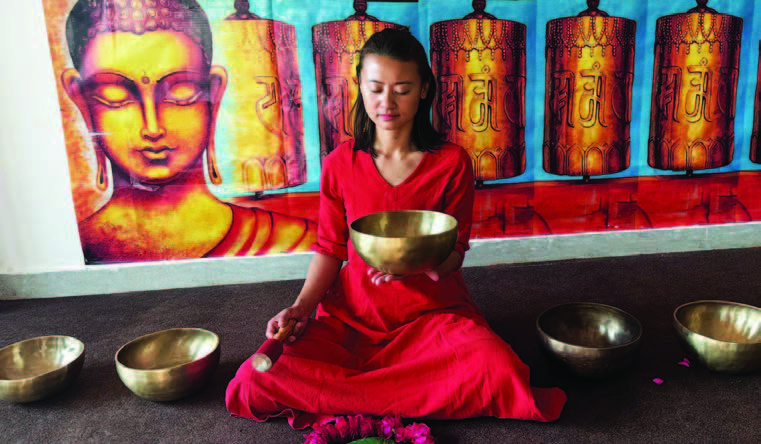
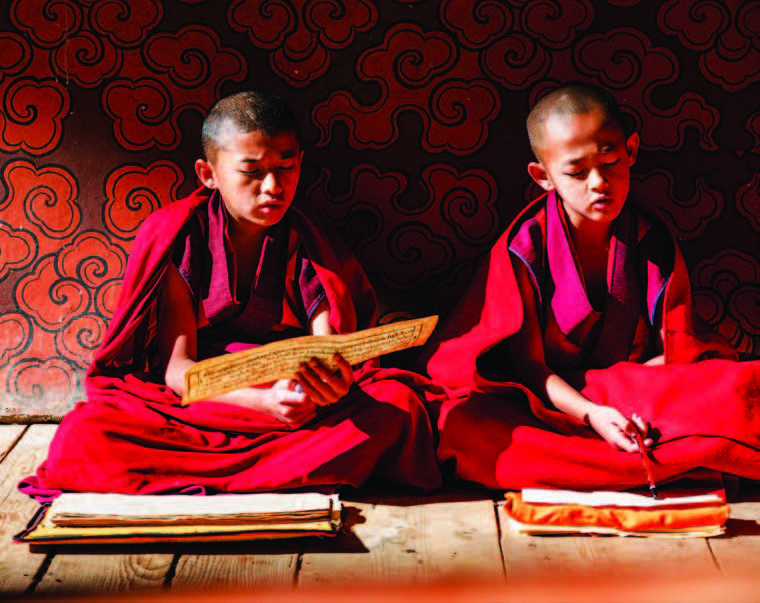
Tibetan Buddhism: Tibetan monks have been using singing bowls in meditation and healing ceremonies for centuries. The bowls produce overtones that create a powerful meditative atmosphere, facilitating healing.
India: The use of mantras and chanting has long been part of the yogic tradition, with certain sounds said to correspond to specific chakras.
Ancient Egypt: Temples were designed with resonant chambers to amplify sound, allowing priests to use chants for healing.
Ancient Greece: Pythagoras, the philosopher and mathematician, used harmonic frequencies to treat physical ailments.
The science behind sound healing

At its core, sound healing is based on a fundamental principle: everything in our universe is in constant motion, creating vibrations. Our bodies, too, are symphonies of vibration, with each organ and system operating at its own frequency. Sound healing works through the concept of entrainment, a phenomenon where one vibration affects another. Sound doesn’t just enter through our ears; the vibrations interact with our entire body at a cellular level. When a sound wave is introduced into the body, it entrains or harmonizes the body’s cells with that frequency, leading to a state of equilibrium. This is particularly effective in reducing stress, alleviating pain, and promoting deep relaxation.
Sound healing in my own practice focuses mostly on balancing the chakras. The word “chakra” comes from the Sanskrit word for “wheel” or “circle”, and refers to energy centers in the body. These energy centers are believed to govern our physical, emotional, and spiritual well-being. Chakra healing has been practiced for centuries, rooted in ancient Eastern philosophies like Hinduism and Buddhism. By working with specific sound frequencies, you can unblock and balance your chakras, leading to improved emotional well-being, physical health, and spiritual growth. In traditional Eastern systems, there are seven main chakras aligned along the spine, each associated with a specific part of the body, element, color, and frequency. Sound healers use various instruments and tones to activate and balance specific chakras.
Benefits of sound healing
Balances the chakra system: Many practitioners of sound healing believe that it can align the chakra system, which is responsible for the energetic health of the body. Blocked or unbalanced chakras can lead to physical or emotional discomfort, and sound healing can help restore equilibrium.
Reduces stress and anxiety: Sound healing has been shown to reduce the level of stress hormones in the body. The soothing vibrations help to calm the nervous system, encouraging a state of relaxation.
Enhances sleep quality: Many individuals who undergo sound healing report improved sleep quality, as it helps to relax both the body and the mind.
Promotes physical healing: By restoring the body’s natural frequency, sound healing can relieve pain and accelerate the healing process. The vibrations stimulate cells and tissues, which can aid in recovery from injuries.
Enhances mental clarity: The deep state of relaxation that sound healing induces helps clear mental clutter, improving focus and concentration.
Facilitates spiritual growth and self-awareness: The meditative quality of sound healing allows individuals to connect with their inner selves, facilitating personal growth and spiritual awareness.
Sound healing vs. Sound baths
While both practices harness the therapeutic power of sound, they serve different purposes and are conducted in distinct ways.
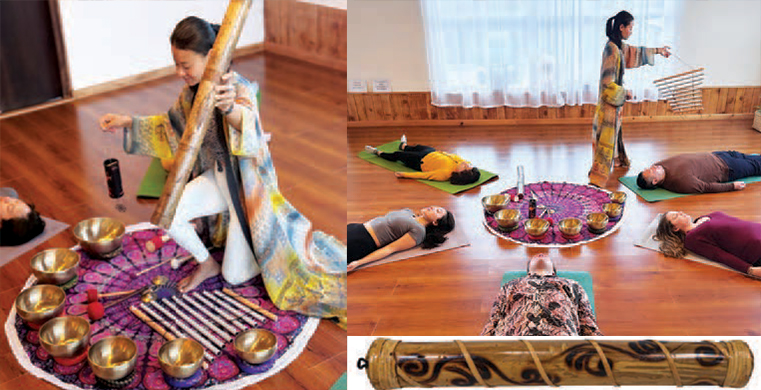
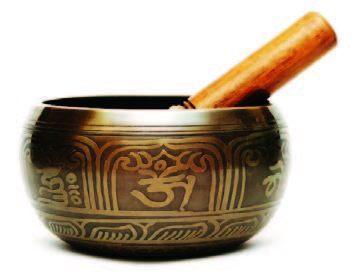
Individual sound healing sessions are intimate, personalized experiences where the practitioner works directly with a single client. During these sessions, singing bowls are placed on or around the body’s energy centers, known as chakras. The practitioner carefully observes the client’s responses and adjusts the sounds and vibrations accordingly.
In one-on-one sound healing sessions, we can address specific physical or emotional concerns. The vibrations from the singing bowls can help release tension in particular areas, promote energy flow, and create deep states of relaxation that facilitate healing.
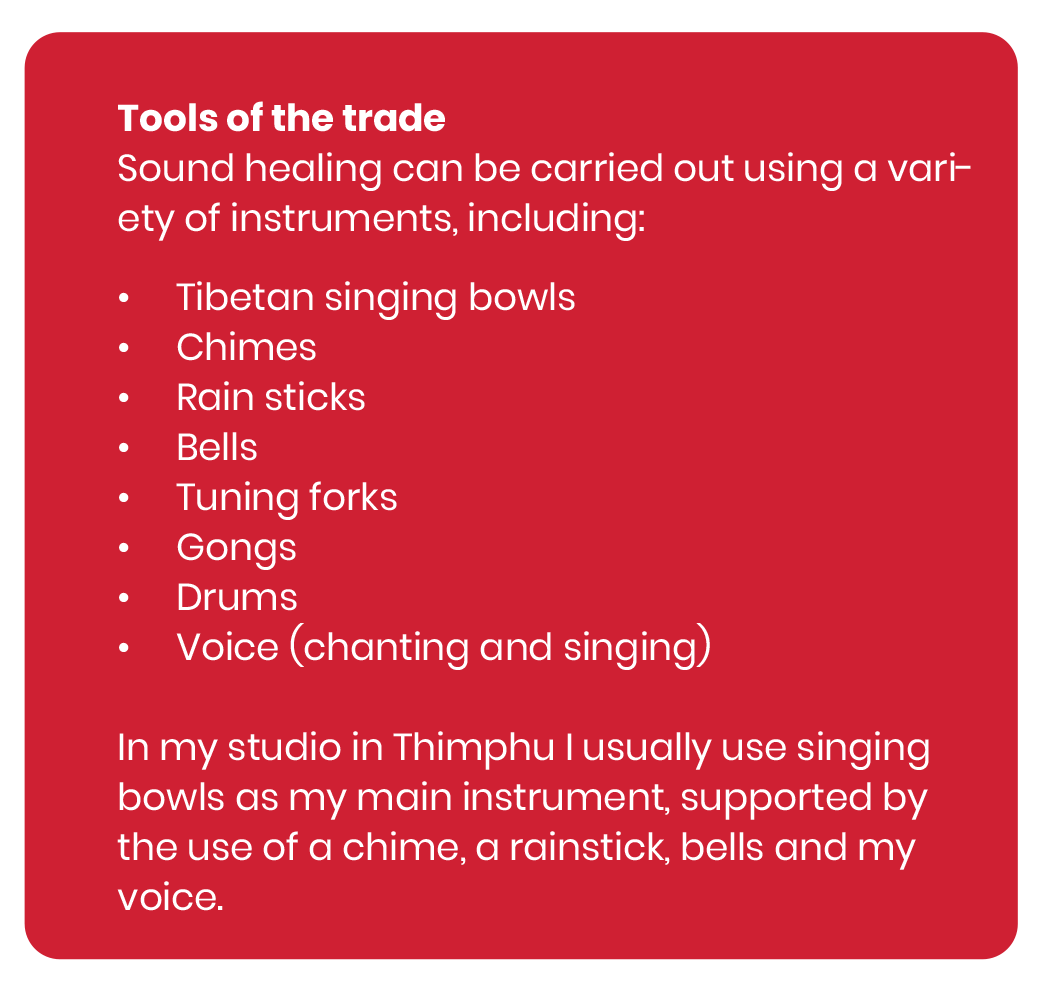
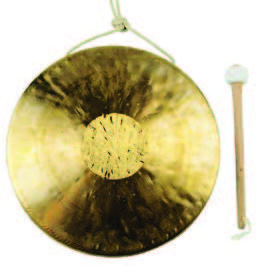
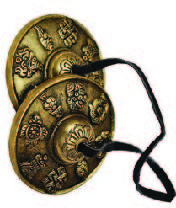
Sound baths, on the other hand, are group experiences where participants lie comfortably while being “bathed” in sound waves produced by various instruments. These might include Tibetan singing bowls, chimes, rainsticks, bells, and other therapeutic instruments. While less personalized than individual sessions, sound baths create a powerful collective energy.
The sound bath experience is both meditative and therapeutic. As the sounds flow through the space, participants often report entering deeply relaxed states where healing can naturally occur. It’s common to experience what practitioners call a “sound journey” – a state where the mind quiets and the body’s natural healing mechanisms are activated.
Setting the stage
Whether opting for a private healing session or joining a sound bath, participants should wear comfortable clothing and may want to bring a blanket. The experience typically begins with gentle breathing exercises to prepare the body and mind.
The key is to arrive with an open mind and heart. Some people experience profound insights or emotional releases, while others simply enjoy deep relaxation. Every session is unique, and there’s no ‘right’ way to experience it.
Good vibrations in Bhutan

In a world that often feels out of tune, sound healing and sound baths offer a harmonious path to wellbeing, helping us find our natural rhythm and restore our inner peace, one vibration at a time.
And Bhutan, with its spiritual heritage, is the perfect place to experience the healing and rejuvenating powers of sound.

Yoga Yangchen
She is a yoga and meditation teacher, sound healer, animal rights advocate, and content creator. Her passion in life is improving the well-being of all sentient beings, people and animals alike. Based in Thimphu, she works on changing mindsets through her well-being practice.

