Behind the scenes as an expat in Druk Yul
I had never been to Asia when I decided to move to Bhutan. In all of my young wisdom, I thought it most logical to experience a new continent starting with one of its most mysterious destinations. As I read over the pages of my Lonely Planet guidebook, my eyes glazed over, envisioning smiling monks, stunning temples, and peaks covered in a fur of forest. Spicy chili dishes and ancient rituals pranced across my mind. Even the experience of landing in Bhutan inspires a sense of otherworldliness; tossed out of the clouds on Himalayan tailwinds, spiraling like a snowflake in a heart-stopping descent down past the maws of green mountains to Paro airport.
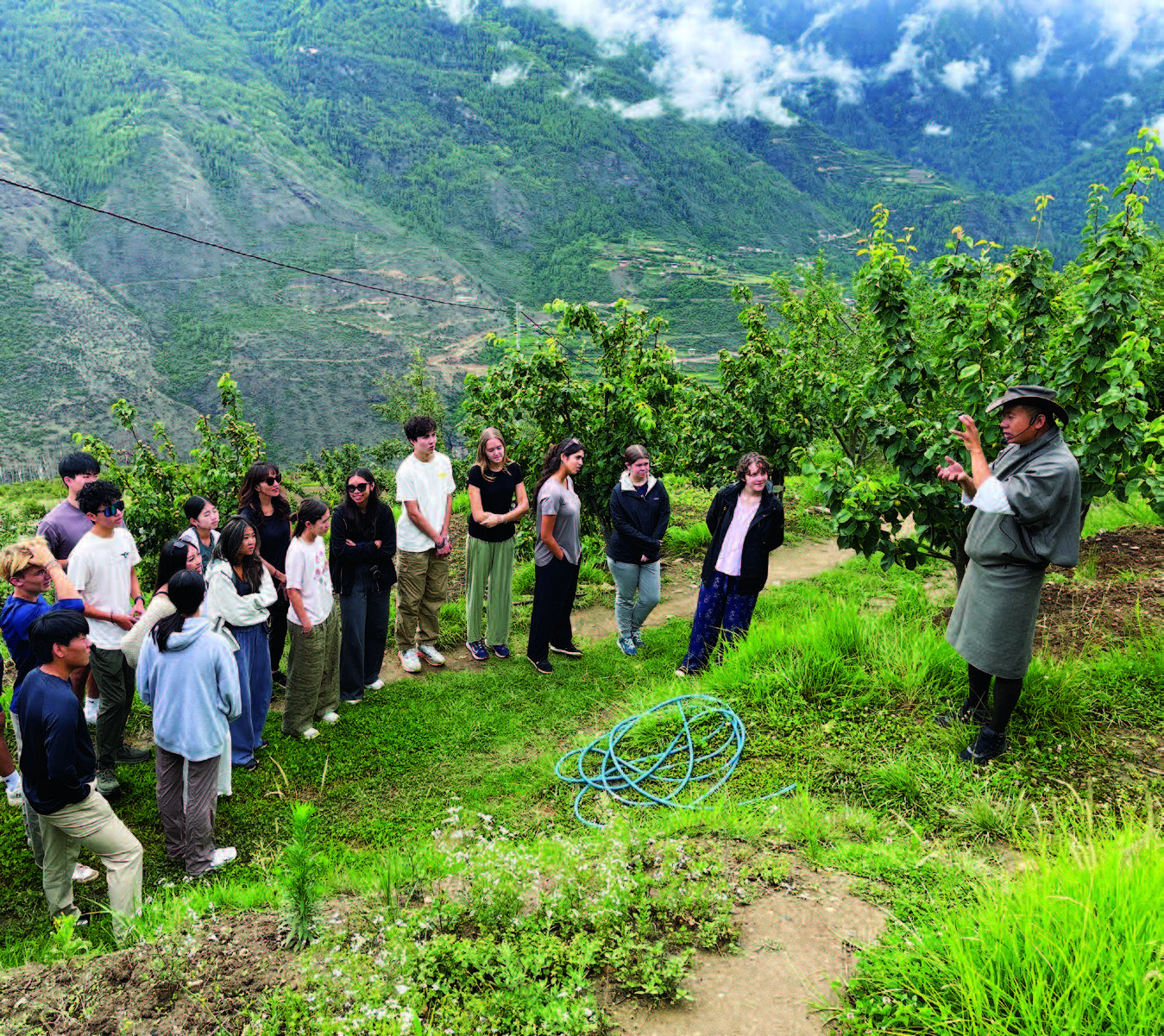
After living in Thimphu for a year, and traveling to more than ten different Dzongkhags (districts), first as a student and then as a media consultant for a local company, I can confirm that many expectations live up to the reality. Too many times to count have I shared a grin with monks in red robes on the sidewalk, gazed up at intricate Lhakhangs (temples), and had my breath taken away by the view (and the altitude) on top of distant mountain ranges. But beyond these familiar images, layers are unveiled over time. There is far more than what meets the eye, a complexity of culture, language, cuisine, and social dynamics that could take a lifetime to grasp.
Here, 108 is an auspicious number, reflecting the Buddhist essence of the Kingdom; although I can’t fit 108, I can offer you my eight takeaways from living in the Land of the Thunder Dragon, and invite you to experience the next 100 yourself.
Yes, People Really Are That Kind
It is well known that Bhutanese are friendly, kind people, representatives of a culture based on values of generosity, sharing, family, and looking out for one another. I have found it to be true, not only with simple daily interactions but the ease with which you can create connections here. Most people are willing to talk to you, or at least ask questions with curiosity. Going deeper is a process that deserves attentive effort. Many are initially shy to talk about themselves, but with some polite inquiry, will open up like the uncorking of a bottle. People are funny, relatable, and open-minded. They will invite you for a meal in their home, a rice-laden affair sitting on the floor amidst warm rugs and low wooden tables. Hours later you will leave, full and sleepy with the warmth of a blossoming friendship. Talk to as many people as you can, and ask questions. They will share more about Bhutan than the pages of any book.
Try the Local Alcohol
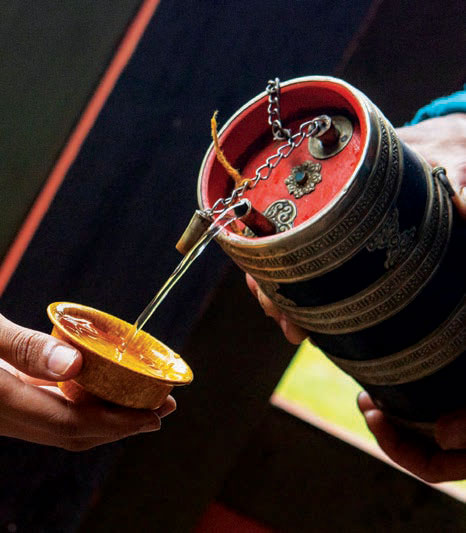
I’ve lived in multiple countries with party cultures: the salsa and rum-soaked dance floors of Colombia, the backyard bachata parties of the Dominican Republic, and the drink-the-cold-out-of-your-system gatherings in the high Andes mountains of Peru. But nowhere have I unexpectedly encountered the drinking culture that infuses Bhutan. From the strong local brew, called Ara, best experienced at homestays, to the beer on tap brewed in Thimphu and new wine shops, Bhutan is no stranger to alcohol. Try the wheat beer and the hot toddies on cold winter evenings, alongside the array of inventive local cocktails from bars in town, although K5 remains a crowd favorite. Enjoy in moderation- the altitude will get you before the liquor does!
Homestays Might be Exactly What You’re Looking For
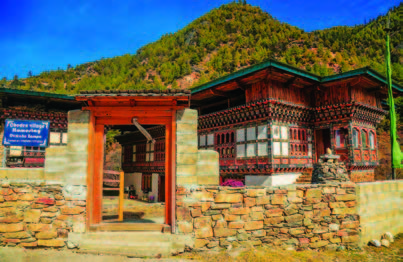
From Punakha to Thimphu to the up-and-coming Haa region, Bhutan is host to a lineup of vibrant hotels, including special eco-camps in the east and south. But homestays bring you to a whole new level of immersion. Before travelers were welcomed past the threshold, families really did, and do, live like that on a day-to-day basis. Fields are sown, crops are harvested, Suja and milk tea are served in rooms with intricate altars, and grandmothers gossip in the kitchen over stewing plates of datsi. Take advantage of the home-cooked food, unlike any you’ll find in restaurants, and enjoy the pristine surroundings.
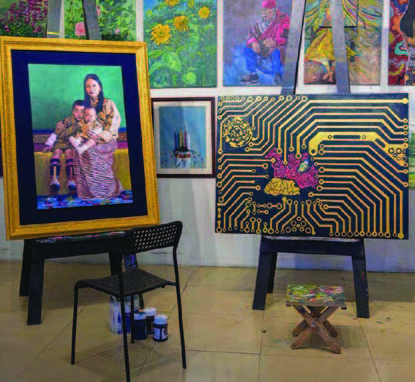
The Local Artist Scene is Stunning
Although traditional art, from paintings on the inner walls of monasteries to the architecture of clustered villages and ornate textiles is exemplary, local artists are up and coming- and you don’t want to miss out. From musicians to painters to singers, the local art scene in Thimphu and beyond is stunning. The creativity and passion being fostered, particularly among youths, is a beautiful reflection of the country they grew up in. It inhabits the spirit of Bhutan alongside the drive of younger generations to innovate and create. Stop by the VAST art gallery in Thimphu or Druk Pro for superb gifts made by local artists.
Thimphu is Up and Coming- and Young People Are Ready to Work
Speaking of young people, the passion I see in my friends and peers to carve their own pathways in the working world is poignant. Entrepreneurship has kickstarted, from local products to new IT hubs and a large network of freelance videographers, photographers, and creators. The young generation is ready to take the world by storm, including feeding the private sector of the country with talent and skill. With the initiation of the Gelephu Mindfulness City project, there is no doubt that Bhutan will become a hub for eco-forward innovation and business.
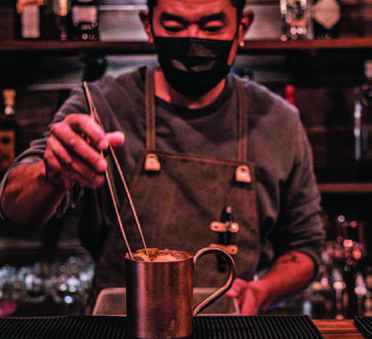
Global Palettes Adorn
A Swiss cafe on the main drag. A Boulangerie on my way to work. A Russian bakery that overlooks the dzong- these are a few examples of the international culinary scene that has descended on Thimphu in particular. From Korean to Japanese to Russian and French, the classic Bhutanese dishes of Ema Datsi and Momos are no longer a traveler’s or a local’s only option. Global palettes are adorning Thimphu- don’t overlook the food scene!
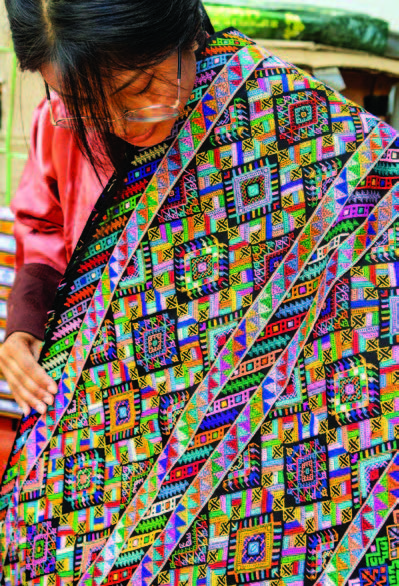
Kira Shopping is More Fun than Regular Shopping
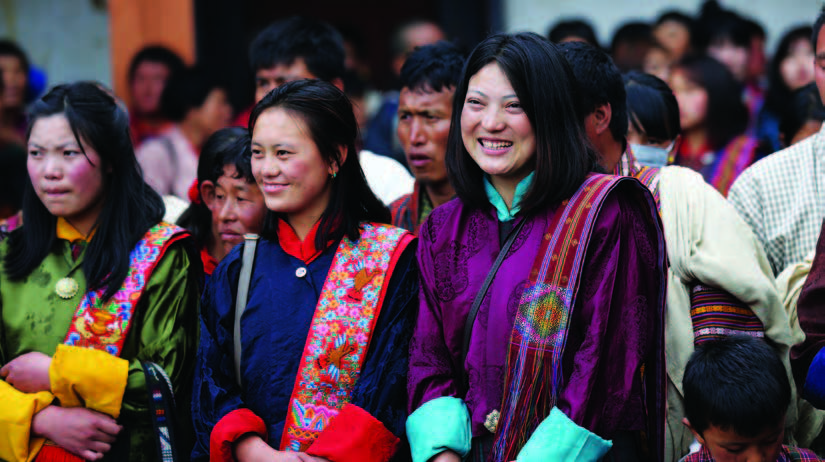
The Kira is a floor-length skirt accompanied by an inner layer top known as the Wonju and an outer layer called the Tego. When I wore my first Kira, I needed friends to help me with the clips for a few weeks before I got the hang of it myself. It would always look ruffled and messy compared to how the Bhutanese girls clip it in with one elegant swish. Kira’s come in every color and pattern under the sun, and are thrilling and overwhelming to shop for. One could spend countless hours matching patterns, choosing fabric swatches, and painfully discerning which shade of pink goes with this shade of blue. It’s the most fun buying something you’ll ever have, with an end result that truly requires sweat, grit, and creative thinking. Beauty is pain.
There Are Many ‘Bhutans’
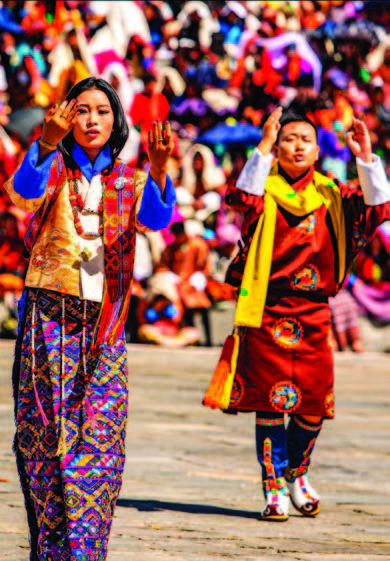
Bhutan is not a land of contradictions as much as a bridge in itself: between ancient and modern, religion and politics, growth with conservation. Opposites intertwine, an eternal seesaw to achieve a perfect balance. Taxi drivers host mini Buddhas on their dashboards and the auspicious number of 108 is found everywhere, from bead count to the number of times to perform a certain action. It is a contrast all on its own, influenced by the outside world in ways it doesn’t always see, yet maintaining roots with an intense fervor. A multicolored coating of old and new, modern and traditional, mindful and heedless blur together into one green-hued tapestry imprinted with a dragon. Look for hidden layers in this land of mountains and milk tea- I can promise you’ll be curiously delighted by what you find.
Gated by the Himalayas, Bhutan initially felt like a strange yet familiar place. No traffic lights, no billboards, no meal without rice. Yet, shops sell (most) of the comforts of home, live music nights glow through the windows of warm bars, a global pop culture thrives, and an insatiable drive from the younger generations for new ideas, perspectives, and ways of living fill each conversation. Girls talk about their crushes and boys swagger in football shorts and baseball caps. Thimphu lightly pulses with the thrum of a city-town, stimulating enough to foster a population yet incredibly calm and quiet for being the country’s only hub.
The longer I live here, the more I can see my own culture from afar, like changing lenses on a pair of glasses and gaining an entirely new perspective. I am lucky to have been raised in a traveling family – based in the United States, we lived across South America for my father’s job. But Bhutan is the furthest I’ve wandered from home, half a world away from anything familiar. Somehow, a life has blossomed in various shades of a Kira, my routine molding around sleeping and waking and cups of coffee and the outline of the mountains through my window. There is magic in the mundane. I remind myself that there is more yet to see and learn and understand. Countries, like people, are eternally becoming.

Cate Kelly
She is a communications officer and media consultant with formal training in anthropology focused on human interaction with technology and the environment. She has studied and worked across three continents and is a lifelong student, coffee addict, and book nerd.